How to Prep for Successful Land Clearing
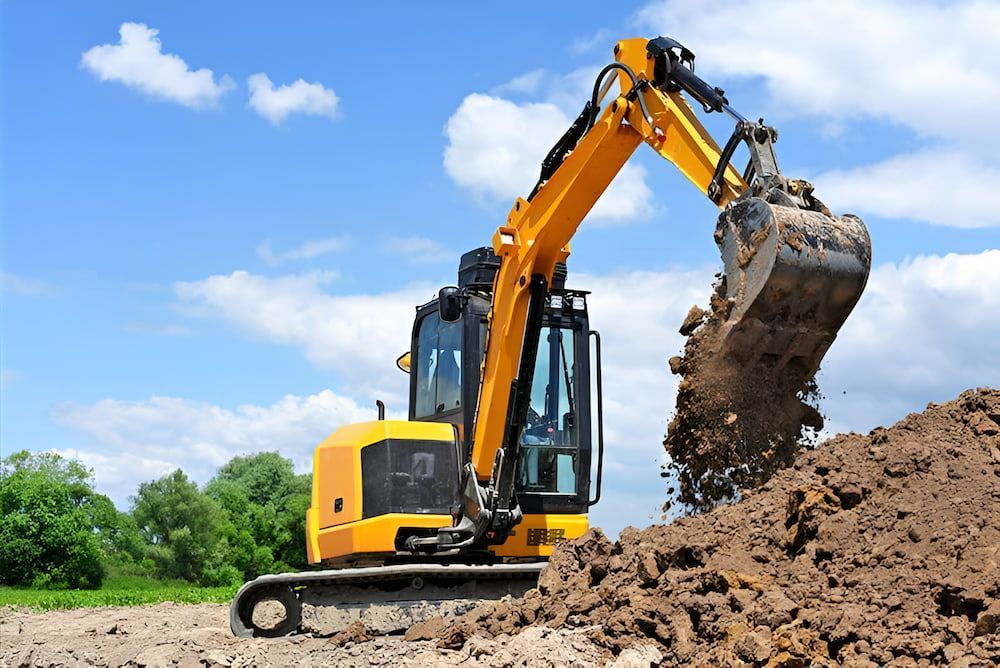
Successful land clearing in Rockhampton starts well before an excavator arrives on site. Checking vegetation restrictions, confirming the clearing area, planning site access and understanding your budget can prevent unnecessary delays and help prepare your property properly for construction, fencing, fire management or other works. At Jeff Thompson Excavator Hire, we handle land clearing projects both large and small. Whether you’re preparing for a new build, clearing an overgrown block or making way for a fence, good preparation makes the clearing process safer and more efficient.
Here’s what to consider before work begins:
What Regulations Apply to Land Clearing in Rockhampton?
Before clearing vegetation, check what Queensland and local government requirements apply to your property. Queensland regulates native vegetation clearing through a framework that includes the Vegetation Management Act 1999 and Planning Act 2016. Depending on the vegetation, land tenure and reason for clearing, the work may be exempt, allowed under an accepted development vegetation clearing code, or require development approval. A useful first step is to obtain a Queensland Government vegetation management property report and check the relevant vegetation maps. These identify vegetation categories and other mapped features that can affect what you are permitted to clear.
Importantly, an exemption under Queensland's vegetation management framework does not automatically mean you can proceed without further checks. Protected plant requirements and local planning controls may still apply. Check with Rockhampton Regional Council where necessary, particularly if your project involves development approval or other planning requirements. Doing these checks before machinery arrives helps avoid delays, compliance issues and changes to the planned clearing area.
How Much Should You Budget for Land Clearing?
There is no single flat rate for land clearing because every block presents different conditions. According to industry best practice, contractors generally need to inspect the scope and site conditions before providing an accurate quote.
Key cost factors include:
- Size of the clearing area: Larger areas generally require more machine time.
- Vegetation density and type: Light scrub is very different from established trees, thick regrowth or difficult root systems.
- Site access: Steep, narrow, wet or restricted sites can affect the machinery and time required.
- Existing obstacles: Old fences, structures, stumps and other obstructions can add to the work.
- Debris management: Costs vary depending on whether vegetation can be mulched or stockpiled on site or needs to be removed.
- Follow-up earthworks: Some projects also require levelling, grading or further excavation after vegetation is cleared.
For example, clearing light vegetation from an accessible residential block will usually involve a very different scope from clearing dense vegetation across a larger rural property where trees, stumps and debris also need to be managed. The best way to build a realistic budget is to define exactly what needs clearing and request a site-specific estimate rather than relying on a generic per-acre figure.
Why Should You Survey and Mark the Property Before Clearing?
Clearly identifying the work area prevents unnecessary clearing and helps the operator understand exactly what needs to stay and what needs to go. For construction projects, a surveyor can establish property boundaries and the correct position of the proposed building area. Trees, fences, existing structures, underground or overhead services and other obstacles should also be identified before clearing begins.
Marking trees or vegetation that must remain is equally important. Clear instructions allow the excavation team to work efficiently without requiring you to direct every stage of the job from the site. Once your land is cleared, Jeff Thompson Excavator Hire can also assist with
site preparation for your build. For larger projects, our
earthmoving services can help level and prepare the site after clearing is complete.
How Does Residential Land Clearing Differ From Commercial Clearing?
Residential land clearing commonly involves preparing house sites, driveways, sheds, fences or access areas. These projects often require careful work around neighbouring properties, services and vegetation that the owner wants to retain. Commercial and larger-scale clearing can involve bigger work zones, tighter project schedules, greater volumes of vegetation and coordination with surveyors, builders and other contractors. Access for heavy machinery and debris management also need to be planned carefully.
Whatever the project size, defining the final use of the site before clearing begins helps determine how much vegetation needs removing and what earthworks will follow.
When Should You Consider Firebreak Clearing?
Land clearing is not limited to construction. Property owners may also need vegetation managed to establish or maintain necessary firebreaks around buildings and other infrastructure. Queensland's vegetation management framework provides exemptions for certain necessary firebreak and fire-management-line clearing, subject to specific requirements. Other laws and site-specific restrictions can still apply, so the relevant requirements should always be checked before work begins.
Our team also handles land clearing and firebreak services for properties needing ongoing vegetation management.How Do You Get Ready for the Excavator?
Before the scheduled clearing date, make sure the operator has clear access to the work area and knows about hazards, services, boundaries and anything that must remain untouched.
If you're still deciding on equipment, read our guide to
organising the right excavator for your project.
Jeff Thompson Excavator Hire can assess the job, discuss the clearing requirements and plan the machinery needed for your site. If you're preparing a property for construction, fencing, earthworks or vegetation management,
contact our team to arrange an estimate for land clearing in Rockhampton.