Earthmoving For Driveways And Access Roads: Best Practices In Rockhampton
A well-built driveway or access road does more than connect your property to the street. It supports vehicles, protects your land from erosion and creates safe, reliable access in all weather conditions. In a region like Rockhampton, where heavy rain can follow long dry spells, the way your ground is prepared makes a significant difference. That is why many property owners turn to experienced earthmoving contractors in Rockhampton to ensure the job is done properly from the start. Whether you are building a new home, upgrading a rural entry or preparing access for a commercial site, following best practices will help you achieve a surface that lasts.
Plan Ahead for Ground Conditions & Usage
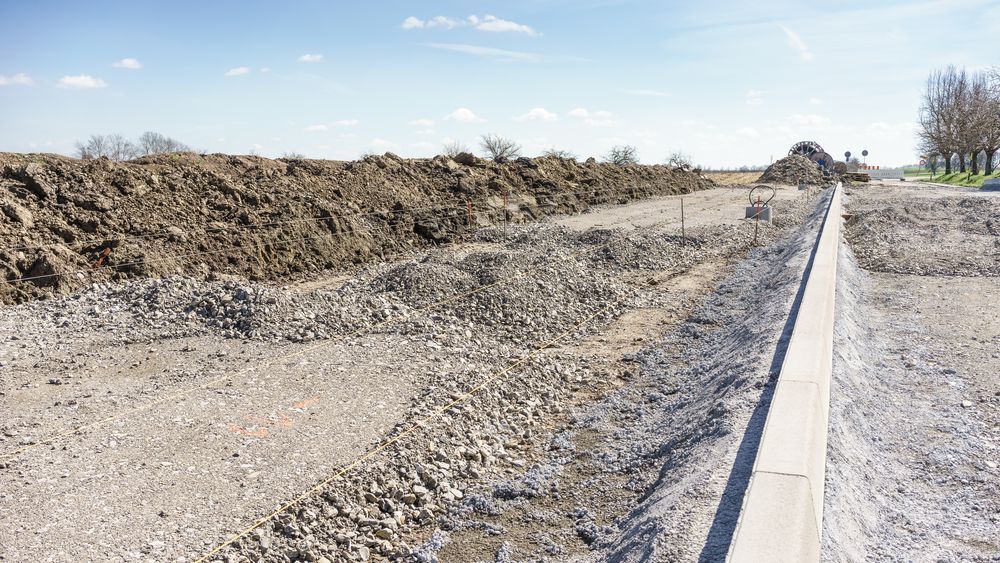
Every successful driveway or access road begins with careful planning. Before machinery even arrives on site, it is important to understand the land, the soil and how the finished surface will be used. A residential driveway has very different requirements from an access road that carries delivery trucks or machinery.
A proper site assessment allows you to:
- Identify soil types, including clay or sandy areas that may need additional stabilisation.
- Map out slopes and low points that could collect water.
- Consider the weight and frequency of vehicles that will use the road.
By planning around these factors, you reduce the risk of premature wear, rutting or structural failure. Thoughtful preparation ensures your investment performs as expected for years to come.
Clear & Prepare the Site Thoroughly
Clearing and preparing the site is not just about removing visible obstacles. Organic material such as roots, grass and topsoil must be stripped back to reach firm ground. If this step is rushed, the surface may settle unevenly over time.
Thorough site preparation involves:
- Removing vegetation, tree stumps and loose rocks.
- Stripping away soft topsoil to expose a stable subgrade.
- Setting out the correct width and alignment for safe vehicle movement.
Creating a clean, well-defined pathway ensures that the layers added later sit on solid ground. This reduces movement beneath the surface and provides a more stable base for construction.
Design Effective Drainage From the Start
Water management is one of the most important aspects of any driveway or access road. Without proper drainage, even the best materials can fail. Heavy rainfall can quickly wash away gravel, soften subgrades and create potholes.
To control water effectively, contractors will:
- Shape the road with a slight crown or camber to encourage runoff.
- Install table drains or culverts where necessary.
- Direct water away from buildings and key infrastructure.
Addressing drainage early protects both the road surface and surrounding land. It also reduces maintenance requirements and helps prevent erosion along the edges.
Build a Strong & Stable Base
The strength of your driveway or access road lies beneath the surface. A properly constructed base distributes weight evenly and prevents sinking or cracking. Skipping this step or using unsuitable materials can lead to ongoing repairs.
Establishing a durable base typically includes:
- Selecting quality road base materials suited to local soil conditions.
- Spreading the material in controlled layers rather than one thick deposit.
- Compacting each layer thoroughly before adding the next.
Compaction is critical. It removes air pockets and increases density, giving the road the strength it needs to handle daily traffic. This is where professional earthmoving in Rockhampton becomes especially valuable, as local knowledge helps determine the right materials and methods for the region’s conditions.
Shape & Compact for Long-Term Performance
Once the base layers are in place, shaping and final compaction ensure the road performs as intended. Even small irregularities can cause water pooling or uneven wear over time.
Proper shaping allows you to:
- Maintain consistent levels across the surface.
- Ensure water flows toward designated drainage points.
- Create smooth transitions between the road and surrounding ground.
Mechanical rollers and compactors are used to achieve uniform density. This step improves durability and reduces the likelihood of surface deformation under load. Attention to detail during shaping can significantly extend the life of the finished driveway or access road.
Select the Right Surface Material
The top layer of your driveway affects both function and appearance. Different properties require different finishes depending on traffic levels, budget and aesthetic preferences.
When choosing a surface material, consider:
- Crushed rock or gravel for cost-effective, practical access.
- Stabilised surfaces for areas exposed to frequent heavy vehicles.
- Finer aggregates to improve comfort and reduce dust.
The chosen material should complement the base beneath it and be compacted properly to lock particles together. A well-finished surface provides grip, minimises loose stones and enhances overall usability.
Protect the Edges & Surrounding Land
The edges of a driveway or access road are often where problems begin. Without support, edges can crumble, especially when vehicles drift off the main track or when water flows across the surface.
Protecting the perimeter helps you:
- Prevent edge breakdown and erosion.
- Keep surrounding soil stable during heavy rain.
- Maintain a neat, defined boundary that improves safety.
Simple measures such as compacted shoulders or graded verges add structural support and reduce maintenance demands. Taking care of the edges preserves the integrity of the entire surface.
Commit to Ongoing Maintenance
Even the best-constructed driveway or access road requires periodic maintenance. Over time, weather and traffic can create minor wear that should be addressed promptly to avoid larger issues.
Routine upkeep might involve:
- Regrading the surface to restore shape after heavy rainfall.
- Topping up gravel in high-traffic areas.
- Clearing drains and culverts to maintain water flow.
Staying proactive helps extend the lifespan of your investment and ensures safe, reliable access throughout the year. Regular inspections allow small problems to be fixed before they become expensive repairs.
Reliable Access Starts with the Right Team
We at Jeff Thompson Excavator Hire understand how important durable, well-constructed driveways and access roads are for properties in Rockhampton. Working with experienced earthmoving contractors in Rockhampton means your project benefits from practical knowledge of local soils, drainage needs and construction techniques. Whether you are preparing residential access or upgrading a commercial entry point, we provide the expertise and equipment needed to deliver stable, long-lasting results. If you are planning a project and want dependable guidance from professionals who understand the demands of earthmoving in Rockhampton, get in touch with us to discuss how we can help you create access you can rely on.